Produce
Product -
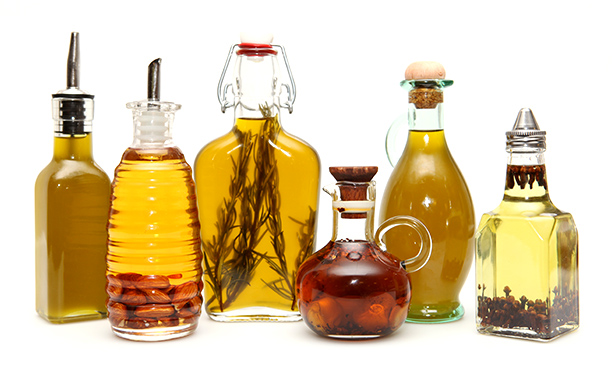
An essential oil is a concentrated hydrophobic liquid containing volatile (easily evaporated at normal temperatures) chemical compounds from plants. Essential oils are also known as volatile oils, ethereal oils, aetheroleum, or simply as the oil of the plant from which they were extracted, such as oil of clove. An essential oil is “essential” in the sense that it contains the “essence of” the plant’s fragrance—the characteristic fragrance of the plant from which it is derived.[1] The term “essential” used here does not mean indispensable or usable by the human body, as with the terms essential amino acid or essential fatty acid, which are so called because they are nutritionally required by a given living organism
Oleoresins
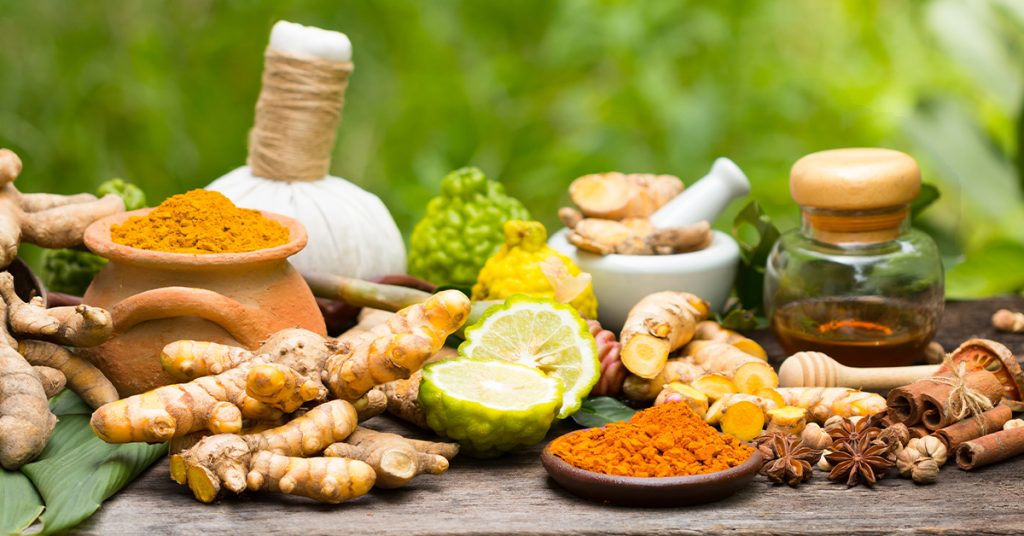
Spice oleoresins are a liquid, semi-solid or solid residue obtained by solvent extraction and possessing the full character of natural spices. The main components of an oleoresin include essential oils, fixed oils, pigments, pungent constituents and natural antioxidants. The process for obtaining oleoresins is designed around extracting both essential oil and non-volatile components that are desirable and contribute largely to the flavour profile.
The solvent is removed by using a vacuum and the concentrated extract is the oleoresin. The physical characteristics of oleoresins range from viscous oils to thick, tacky pastes. This makes it difficult to add these components directly to the food. The most suitable method for utilizing the oleoresins is to use a carrier and options that are utilized are as follows:
- emulsions prepared by blending essential oils with gum arabic or other emulsification agents
- essences developed with ground spices and ethanol and the addition of essential oils or oleoresins
- solubilized spices are blended with essential oils and/or oleoresins mixed with a polysorbate ester or other agent
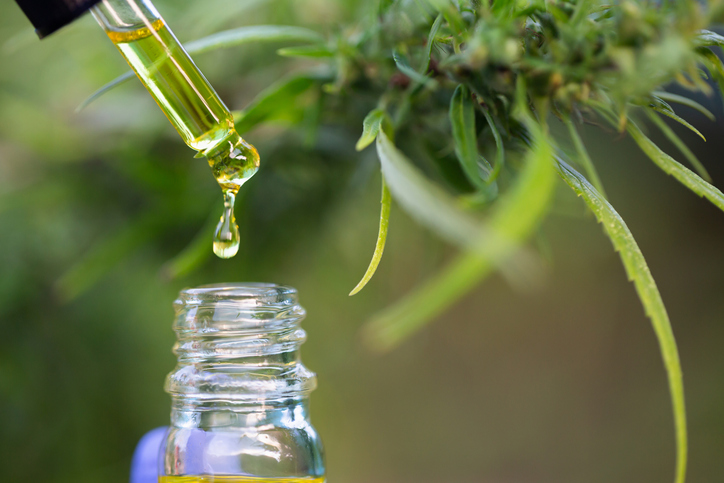
Plant extraction is a process that aims to extract certain components present in plants. It is a solid/liquid separation operation: a solid object (the plant) is placed in contact with a fluid (the solvent). The plant components of interest are then solubilised and contained within the solvent. The solution thus obtained is the desired extract.
The solvent will eventually be eliminated to isolate the plant extract. If it is for the food industry, it is not necessary to separate it from the extract. If not, a second separation operation makes it possible to obtain a dry extract.
Nowadays, the term “extract” is frequently used incorrectly. In fact, only solid/liquid extraction is capable of producing them, but sometimes simple crushed plant powders are marketed as “extracts”.
Phytochemicals are chemical compounds produced by plants, generally to help them resist fungi, bacteria and plant virus infections, and also consumption by insects and other animals. The name comes from Greek φυτόν (phyton) ‘plant’. Some phytochemicals have been used as poisons and others as traditional medicine.
As a term, phytochemicals is generally used to describe plant compounds that are under research with unestablished effects on health and are not scientifically defined as essential nutrients. Regulatory agencies governing food labeling in Europe and the United States have provided guidance for industry limiting or preventing health claims about phytochemicals on food product or nutrition labels
BOTANICAL EXTRACTS
PRODUCT | BOTANICAL NAME | PART USED | STANDARISED FOR |
Emblica officinalis | Fruit | Upto 40% Tannin & upto 30% Polyphenol | |
Andrographis paniculata | Dried Leaf | Up to 95% Andrographolide by HPLC | |
Terminalia Arjuna | Stem Bark | 0.5% Arjunolic Acid | |
Withania Somnifera | Root | 2.5% by HPLC | |
Anacyclus Pyrethrum | Root | Hexane soluble lipid 0.20% | |
Aloe | Whole Leaf | Gel, Dry Powder 200:1 Aloin 10-50% | |
Bacopa monneri | Dried Aerial part | Up to 50% Bacosides by HPLC | |
Lagerstromeia Speciosa | Dried Leaves | Up to 20% Corosolic acid by HPLC | |
Boswellia serrata | Dried Gum | Upto 80% Boswellic acids | |
Theobroma cacao | Seed | Upto 20% Theobromine by HPLC | |
Cinnamonum Cassia | Dried Stem Bark | Upto 50% Polyphenols by UV | |
Trigonella foenum – graecum | Seed | Upto 90% 4-hydroxyisoleucine by HPLC, 50% Saponin | |
Garcinia cambogia | Dried Fruit Rind | Water soluble upto 70% |
Zingiber officinale | Rhizome | Upto 25% Gingerols Powder | |
Panax ginseng | Dried Root | Ginsenoside 20% by UV | |
Centella Asiatica | Whole Plant | Up to 50% Triterpenes HPLC | |
Coffee Arabica | Seed | Upto 60% Chlorogenic by HPLC | |
Camellia sinensis | Tea leaves | Upto 50% EGCG by HPLC | |
Commiphora mukul | Dried Gum | Upto 10% Guggulsterones by HPLC | |
Gymnema sylvestre | Dried Leaf | Upto 75% Gymnemic acids by Gravimetry | |
Garcinia Mangostana | Fruit | Upto 40% Mangostin by HPLC | |
Mucuna Pruriens | Dried Seed | Upto 60% L-dopa by HPLC | |
Punica Granatum | Fruit | Spray dried powder | |
Glycyrrhiza glabra | Dried Root | Glycyrrhizin 15-25% by garrett Method | |
Chlorophytum | Root & Seed | Upto 50% Saponin by gravimetric | |
Tribulus terrestris | Dried Aerial Part | Upto 60% Steroidal Saponins | |
Cassia aungustifolia | Dried Leaf | Upto 60% Ca Sennoside by HPLC | |
Curcuma longa | Dried Rhizome | Upto 95% Curcuminoids by HPLC | |
Valeriana officinalis | Plant Root | 0.8% Powder & 10% Valerenic acids Soft extract |
NUTRACEUTICALS
PRODUCT | BOTANICAL NAME | PART USED | STANDARDISED FOR |
Haematococcus Pluvialis | Whole Algae | 1.5% Powder Oleoresin 5 %, 10% | |
Zeaxanthin | Marigold flower | 10% powder, 20% Oleoresin | |
Serenoa repens | Ripe fruit | Oil 90% and Powder 45% | |
Schizochytrium Sp. | Algal Source | 40% Oil & 10% Powder | |
Zingiber officinale | Rhizome | Up to 40% oleoresin and 25% Powder | |
Glycine max (L.) Merr | Soybeans | 40% Isoflavones | |
Upto 30% oil / 40% powder & Beadlets | |||
Lycopene | Tomato vegetable | 6% & 10% Oil/Powder | |
Tagetes erecta | Marigold Flower | Upto 40% Oil / 20% powder & Beadlets | |
Piper nigrum | Dried Fruits | 95% Piperine | |
Saccharum officenarum | Wax | 90% Powder | |
Tribulus Terrestris | Fruit | Protodioscin 20% & 40% | |
Curcuma longa | Dried Rhizome | Upto 95% Curcuminoids by HPLC |
PHYTOCHEMICALS
PRODUCT | BOTANICAL NAME | PART USED | STANDARISED FOR |
Ammi majus | Seed | Methoxsalen USP 99% | |
Colchicum autumnale | Seed | USP, IP | |
Colchicum Autumnale | herb | IP, FP | |
Punica Granatum | Fruit | Spray dried powder | |
Rauwolfia Serpentina | Dried Stem Bark | Yohimbe HCL | |
Rauwolfia verticillata | Root Bark | USP | |
Griffonia simplicifolia | Seed | 5-hydroxytryptophan 95% | |
Piper nigrum | Dried Fruits | 95% powder | |
Coleus foskohlii | Root | Forskolin 98% | |
Trigonella foenum graecum | Seed | 4 hydroxyisoleucine 90% |
NATURAL FOOD COLORS
TANDARIZED EXTRACT | USES | SPECIFICATION |
Beta-Carotene CWD Powder | Provides Natural Orange Red Color | 10%, 20% cold water dispersible |
Beta-Carotene Emulsion | Provides Natural Red Color | 10% Emulsion form |
Caesalpinia Extract | Provides Natural Yellow to Reddish Brown Color | Available in Oil form, suitable for Alcohol Industry |
Curcumin CWD Powder | Provides Natural Yellow Color | 10%, 20% cold water dispersible |
Lutein CWD Powder | Provides Natural Orange Color | 10%, 20% cold water dispersible |
Phycocyanin | Provides Natural Blue Color | Derived from Spirulina water soluble |
Sodium Copper Chlorophyll | Provides Natural Green Color | Derived from Spinach water soluble |
Zeaxanthin CWD Powder | Provides Natural Orange to reddish Orange Color | 5%, 10% cold water dispersible |
Contact Us For More Details
Arnapurna Nutritional Products
Call Us : +919178544978